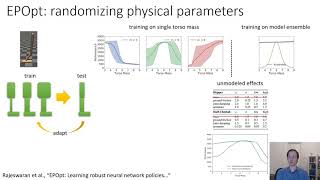
Topic Signal: Our data we can use powerful models that make very few mistakes we can use multitask

Cs 285 Lecture 2 Imitation Learning Part 4 - Outfit Useful Overview

This reader-first page connects Cs 285 Lecture 2 Imitation Learning Part 4 through key notes, similar searches, practical details, and next-step resources with enough variation for broader AGC-style topic coverage.

In addition, this page also connects Cs 285 Lecture 2 Imitation Learning Part 4 with for broader topic coverage.

Outfit Useful Overview

Cs 285 Lecture 2 Imitation Learning Part 4 can be reviewed through a clear overview first, then compared with related entries and supporting context.

Reference Context for Readers

The surrounding context helps explain why people search for Cs 285 Lecture 2 Imitation Learning Part 4 and what they usually want to check next.

Clothing Checklist

This section highlights the practical pieces readers may want before opening a more specific related page.

Next Search Paths for Readers

Before relying on any single result, compare related pages and verify important facts from stronger sources.

Main details to review

  • Our data we can use powerful models that make very few mistakes we can use multitask

Why this topic is useful

The value of this overview is a less scattered reference for Cs 285 Lecture 2 Imitation Learning Part 4 while keeping the topic easy to scan.

Sponsored

Reader Questions

What should be checked first?

Readers should check the main context, important requirements, source freshness, and any details that may change over time.

What should readers do next?

Readers can review the linked topics, compare several sources, and verify important details before acting on the information.

How can readers narrow down Cs 285 Lecture 2 Imitation Learning Part 4?

Readers can narrow it by adding location, year, product name, provider, price range, purpose, or the exact problem they want to solve.
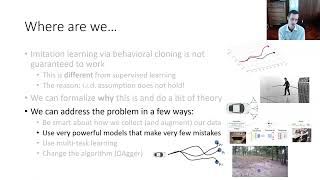
Image References

CS 285: Lecture 2, Imitation Learning. Part 4
CS 285: Lecture 2, Imitation Learning. Part 3
CS 285: Lecture 2, Part 4
CS 285: Lecture 4, Part 1
CS 285: Lecture 2, Imitation Learning. Part 2
CS 285: Lecture 2, Imitation Learning. Part 1
CS 285: Lecture 21, Transfer Learning, Part 4
CS 285: Lecture 2, Imitation Learning. Part 5
CS 285: Lecture 21, Transfer Learning, Part 3
CS 285: Lecture 1, Introduction. Part 3
Sponsored
Open Details
CS 285: Lecture 2, Imitation Learning. Part 4

CS 285: Lecture 2, Imitation Learning. Part 4

Read more details and related context about CS 285: Lecture 2, Imitation Learning. Part 4.

CS 285: Lecture 2, Imitation Learning. Part 3

CS 285: Lecture 2, Imitation Learning. Part 3

Read more details and related context about CS 285: Lecture 2, Imitation Learning. Part 3.

CS 285: Lecture 2, Part 4

CS 285: Lecture 2, Part 4

Read more details and related context about CS 285: Lecture 2, Part 4.

CS 285: Lecture 4, Part 1

CS 285: Lecture 4, Part 1

Read more details and related context about CS 285: Lecture 4, Part 1.

CS 285: Lecture 2, Imitation Learning. Part 2

CS 285: Lecture 2, Imitation Learning. Part 2

Read more details and related context about CS 285: Lecture 2, Imitation Learning. Part 2.

CS 285: Lecture 2, Imitation Learning. Part 1

CS 285: Lecture 2, Imitation Learning. Part 1

Read more details and related context about CS 285: Lecture 2, Imitation Learning. Part 1.

CS 285: Lecture 21, Transfer Learning, Part 4

CS 285: Lecture 21, Transfer Learning, Part 4

Read more details and related context about CS 285: Lecture 21, Transfer Learning, Part 4.

CS 285: Lecture 2, Imitation Learning. Part 5

CS 285: Lecture 2, Imitation Learning. Part 5

Our data we can use powerful models that make very few mistakes we can use multitask

CS 285: Lecture 21, Transfer Learning, Part 3

CS 285: Lecture 21, Transfer Learning, Part 3

Read more details and related context about CS 285: Lecture 21, Transfer Learning, Part 3.

CS 285: Lecture 1, Introduction. Part 3

CS 285: Lecture 1, Introduction. Part 3

Read more details and related context about CS 285: Lecture 1, Introduction. Part 3.