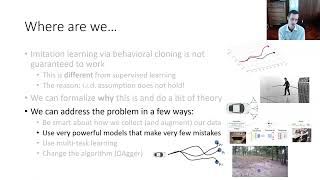
Reference Card: Our data we can use powerful models that make very few mistakes we can use multitask What other problems do we need to solve to enable real-world sequential decision-making reinforcement
Cs 285 Lecture 2 Imitation Learning Part 3 - Knowledge Map for Readers
This reference brings together Cs 285 Lecture 2 Imitation Learning Part 3 with background information, practical notes, and nearby searches before opening more specific references.
In addition, this page also connects Cs 285 Lecture 2 Imitation Learning Part 3 with for broader topic coverage.
Knowledge Map for Readers
What other problems do we need to solve to enable real-world sequential decision-making reinforcement Our data we can use powerful models that make very few mistakes we can use multitask
Outfit Comparison Context
there are also many fancier ways to fit the q function and we'll discuss this in the next So if you want to learn more about this phenomena there's a paper by pim dahan called causal confusion and
Fashion Information Notes
This section highlights the practical pieces readers may want before opening a more specific related page.
Next Search Paths for Readers
Before relying on any single result, compare related pages and verify important facts from stronger sources.
Main details to review
- Our data we can use powerful models that make very few mistakes we can use multitask
- What other problems do we need to solve to enable real-world sequential decision-making reinforcement
- there are also many fancier ways to fit the q function and we'll discuss this in the next
- So if you want to learn more about this phenomena there's a paper by pim dahan called causal confusion and
Why this topic is useful
This page is useful when readers need a fast starting point without relying on one short snippet.
Reader Questions
What should be avoided when researching Cs 285 Lecture 2 Imitation Learning Part 3?
Avoid treating one short snippet as complete, especially when the topic involves money, health, law, schedules, or current details.
What is the best next step after reading about Cs 285 Lecture 2 Imitation Learning Part 3?
The best next step is to open related entries, compare several references, and verify any important detail before acting.
How does Cs 285 Lecture 2 Imitation Learning Part 3 connect to similar topics?
Avoid treating one short snippet as complete, especially when the topic involves money, health, law, schedules, or current details.