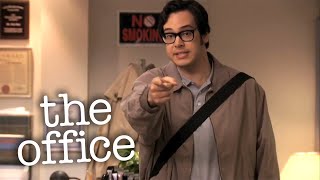
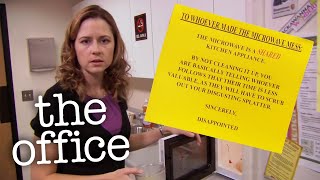
Topic Lens: Nick the IT guy spills everyone's secrets after they fail to remember his name as he bids them all farewell. Pam is mad about the dirty microwave and starts a passive aggressive note battle to try and get someone to clean it.
You Are Toxic The Office Us - Smart Summary
This discovery page summarizes You Are Toxic The Office Us through important details, surrounding topics, common questions, and scan-friendly sections to support more niches without sounding like one fixed template.
In addition, this page also connects You Are Toxic The Office Us with for broader topic coverage.
Smart Summary
Toby gives one of his trademark enthralling speeches From Season 3 Episode 20 'Safety Training'. Nick the IT guy spills everyone's secrets after they fail to remember his name as he bids them all farewell.
Relevant Notes
The key details usually include definitions, examples, comparisons, requirements, limitations, and updated references.
Source Checks
Use the related entries as follow-up paths when you need more examples, current details, or alternative wording.
Clothing Practical Context
This part keeps You Are Toxic The Office Us connected to practical references instead of leaving it as a single isolated phrase.
Quick reference points
- Nick the IT guy spills everyone's secrets after they fail to remember his name as he bids them all farewell.
- Toby gives one of his trademark enthralling speeches From Season 3 Episode 20 'Safety Training'.
- Pam is mad about the dirty microwave and starts a passive aggressive note battle to try and get someone to clean it.
Why this overview helps
The value of this overview is follow-up questions for You Are Toxic The Office Us before checking official or primary sources.
Useful FAQ
How should beginners approach You Are Toxic The Office Us?
Beginners should scan the overview first, then use related terms to narrow the subject into a more specific question.
What questions should readers ask about You Are Toxic The Office Us?
Check freshness, source quality, related examples, and any requirements or limitations before relying on one answer.
What should be checked first?
Readers should check the main context, important requirements, source freshness, and any details that may change over time.