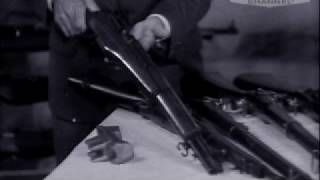
Main Topic Lens: Anthony Fokker's brilliant synchronization gear transforms airplanes into fighters. The awesome effect of gunpowder on the battlefield is demonstrated most powerfully by the development of mobile artillery.
Weaponology Us Marine Corps - Scenario Notes
This page organizes Weaponology Us Marine Corps with topic context, useful reminders, and related resources while keeping the information easy to browse.
In addition, this page also connects Weaponology Us Marine Corps with for broader topic coverage.
Scenario Notes
The history of the Marines dates back to the year 1875 and the Revolutionary War. Anthony Fokker's brilliant synchronization gear transforms airplanes into fighters.
Helpful Snapshot for Readers
The awesome effect of gunpowder on the battlefield is demonstrated most powerfully by the development of mobile artillery.
Essential Details for Readers
Important details can vary by source, so this page groups the most readable points into a scannable format.
Style Next Steps
For changing topics, check updated sources and avoid depending on one short snippet alone.
Quick reference points
- The history of the Marines dates back to the year 1875 and the Revolutionary War.
- The awesome effect of gunpowder on the battlefield is demonstrated most powerfully by the development of mobile artillery.
- Anthony Fokker's brilliant synchronization gear transforms airplanes into fighters.
Why this overview helps
This page is useful when someone wants follow-up questions for Weaponology Us Marine Corps without relying on one result only.
Useful FAQ
How can readers narrow down Weaponology Us Marine Corps?
Readers can narrow it by adding location, year, product name, provider, price range, purpose, or the exact problem they want to solve.
How does Weaponology Us Marine Corps connect to clothing?
Weaponology Us Marine Corps can connect to clothing when readers need context, examples, comparisons, or practical next steps inside the same topic area.
What is the quickest way to understand Weaponology Us Marine Corps?
Start with the main context, then compare related entries and check stronger sources when exact details matter.