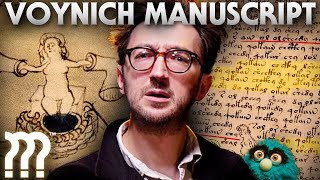
Intent Snapshot: Try Blinkist Premium free for 7 days Thoughty2 Audiobook: Thoughty2 ...
Voynich Manuscript Explained The 600 Year Old Book No One Can Read - Style Overview
This topic page brings together Voynich Manuscript Explained The 600 Year Old Book No One Can Read through topic clusters, supporting snippets, intent signals, and verification reminders to support more niches without sounding like one fixed template.
In addition, this page also connects Voynich Manuscript Explained The 600 Year Old Book No One Can Read with for broader topic coverage.
Style Overview
This section introduces Voynich Manuscript Explained The 600 Year Old Book No One Can Read with the most useful background points and a simple path into the rest of the page.
Style Details That Matter
The key details usually include definitions, examples, comparisons, requirements, limitations, and updated references.
Wardrobe Before You Continue
Use the related entries as follow-up paths when you need more examples, current details, or alternative wording.
Topic Background
This part keeps Voynich Manuscript Explained The 600 Year Old Book No One Can Read connected to practical references instead of leaving it as a single isolated phrase.
Quick reference points
- Try Blinkist Premium free for 7 days Thoughty2 Audiobook: Thoughty2 ...
Why this topic is useful
The format helps reduce scattered browsing by giving clear context before opening more detailed pages.
Useful FAQ
Why are related topics included?
Related topics help readers compare nearby references, explore similar searches, and avoid relying on one narrow result.
What should readers compare for Voynich Manuscript Explained The 600 Year Old Book No One Can Read?
Readers should compare source freshness, practical relevance, related options, requirements, limitations, and any details that affect their next step.
How does Voynich Manuscript Explained The 600 Year Old Book No One Can Read connect to fashion?
Voynich Manuscript Explained The 600 Year Old Book No One Can Read can connect to fashion when readers need context, examples, comparisons, or practical next steps inside the same topic area.