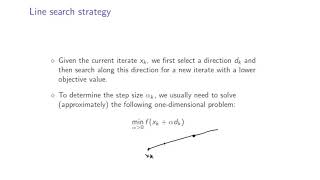
Scan First: properties of descent direction, steepest descent direction, newton direction, Algorithms for Unconstrained Optimization: Trust Region vs Line Search
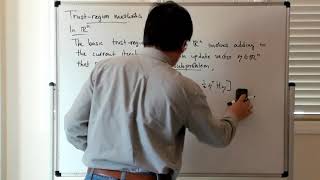
Unconstrained Optimization 7 Trust Region Methods - Wardrobe Reference Guide
This context guide compares Unconstrained Optimization 7 Trust Region Methods through important details, surrounding topics, common questions, and scan-friendly sections to support more niches without sounding like one fixed template.
In addition, this page also connects Unconstrained Optimization 7 Trust Region Methods with for broader topic coverage.
Wardrobe Reference Guide
Algorithms for Unconstrained Optimization: Trust Region vs Line Search properties of descent direction, steepest descent direction, newton direction,
Shoes Core Points
The key details usually include definitions, examples, comparisons, requirements, limitations, and updated references.
Accessory Quick Tips
Use the related entries as follow-up paths when you need more examples, current details, or alternative wording.
Shoes Reference Context
This part keeps Unconstrained Optimization 7 Trust Region Methods connected to practical references instead of leaving it as a single isolated phrase.
Quick reference points
- properties of descent direction, steepest descent direction, newton direction,
- Algorithms for Unconstrained Optimization: Trust Region vs Line Search
What this page helps clarify
Readers use this page when they need a less scattered reference for Unconstrained Optimization 7 Trust Region Methods so they can continue with better search intent.
Useful FAQ
How does Unconstrained Optimization 7 Trust Region Methods connect to similar topics?
Avoid treating one short snippet as complete, especially when the topic involves money, health, law, schedules, or current details.
Can details about Unconstrained Optimization 7 Trust Region Methods change?
Yes. Some details may change depending on providers, policies, dates, locations, product updates, or official announcements.
How can this page help with research?
It groups related context and search paths so readers can move from a broad idea into more focused follow-up pages.