Search Takeaway: This expanded guide maps Trauma Talks Pelvic X Rays through important details, surrounding topics, common questions, and scan-friendly sections without locking every page into the same repeated structure.

Trauma Talks Pelvic X Rays - Trend Snapshot

This expanded guide maps Trauma Talks Pelvic X Rays through important details, surrounding topics, common questions, and scan-friendly sections without locking every page into the same repeated structure.

In addition, this page also connects Trauma Talks Pelvic X Rays with for broader topic coverage.

Trend Snapshot

A clean overview helps readers understand Trauma Talks Pelvic X Rays before moving into details, examples, or connected topics.

Key Facts

This section highlights the practical pieces readers may want before opening a more specific related page.

Style Decision Context

Context matters because Trauma Talks Pelvic X Rays can connect to nearby topics, related searches, and different reader intents.

Trend Before You Continue

Use the related entries as follow-up paths when you need more examples, current details, or alternative wording.

How this reference can help

A structured page helps readers move from better wording, relevant follow-ups, and useful checks.

Sponsored

Questions People Also Check

What questions should readers ask about Trauma Talks Pelvic X Rays?

Check freshness, source quality, related examples, and any requirements or limitations before relying on one answer.

What should be checked first?

Readers should check the main context, important requirements, source freshness, and any details that may change over time.

What should readers do next?

Readers can review the linked topics, compare several sources, and verify important details before acting on the information.

How can readers narrow down Trauma Talks Pelvic X Rays?

Readers can narrow it by adding location, year, product name, provider, price range, purpose, or the exact problem they want to solve.

Image-Based Context

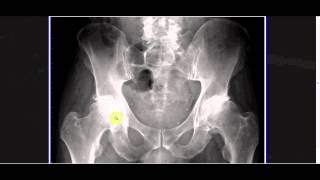
Trauma Talks: Pelvic X-Rays
Trauma Surgeons Gone Wild: Utility of Pelvic XR
LearningRadiology 22 Pelvic Trauma I
Trauma Pelvic Xray
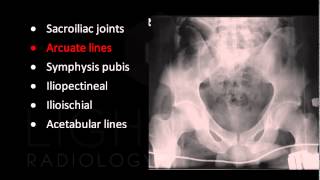
Radiology: Pelvis and Hip Trauma
MR:EM The AP pelvis radiography
Trauma in a Flash: Pelvic Fractures
Interpreting X-Rays of the Pelvis, Hip Joint and Femur
Emergency X-Ray Interpretation of the Pelvis
Pelvis Radiographic Evaluation & Classification  of Pelvic Ring Injuries Dr  Mark Adams
Sponsored
Review Full Context
Trauma Talks: Pelvic X-Rays

Trauma Talks: Pelvic X-Rays

Read more details and related context about Trauma Talks: Pelvic X-Rays.

Trauma Surgeons Gone Wild: Utility of Pelvic XR

Trauma Surgeons Gone Wild: Utility of Pelvic XR

Read more details and related context about Trauma Surgeons Gone Wild: Utility of Pelvic XR.

LearningRadiology 22 Pelvic Trauma I

LearningRadiology 22 Pelvic Trauma I

Read more details and related context about LearningRadiology 22 Pelvic Trauma I.

Trauma Pelvic Xray

Trauma Pelvic Xray

Read more details and related context about Trauma Pelvic Xray.

Radiology: Pelvis and Hip Trauma

Radiology: Pelvis and Hip Trauma

Read more details and related context about Radiology: Pelvis and Hip Trauma.

MR:EM The AP pelvis radiography

MR:EM The AP pelvis radiography

Read more details and related context about MR:EM The AP pelvis radiography.

Trauma in a Flash: Pelvic Fractures

Trauma in a Flash: Pelvic Fractures

Read more details and related context about Trauma in a Flash: Pelvic Fractures.

Interpreting X-Rays of the Pelvis, Hip Joint and Femur

Interpreting X-Rays of the Pelvis, Hip Joint and Femur

Read more details and related context about Interpreting X-Rays of the Pelvis, Hip Joint and Femur.

Emergency X-Ray Interpretation of the Pelvis

Emergency X-Ray Interpretation of the Pelvis

Read more details and related context about Emergency X-Ray Interpretation of the Pelvis.

Pelvis Radiographic Evaluation & Classification  of Pelvic Ring Injuries Dr  Mark Adams

Pelvis Radiographic Evaluation & Classification of Pelvic Ring Injuries Dr Mark Adams

Now the OTA AO classification takes a more anatomic approach to the