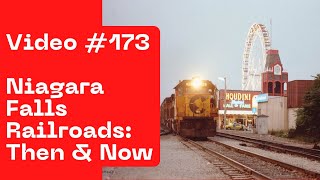
Short Overview: In 1969, engineers did something almost unimaginable — they turned off
Step Back In Time And Explore The Lost Railways Of Niagara Falls Then Now - Fashion Follow-Up Tips
This browsing page explains Step Back In Time And Explore The Lost Railways Of Niagara Falls Then Now through meaning, examples, related intent, useful checks, and follow-up paths to support more niches without sounding like one fixed template.
In addition, this page also connects Step Back In Time And Explore The Lost Railways Of Niagara Falls Then Now with for broader topic coverage.
Fashion Follow-Up Tips
Before relying on any single result, compare related pages and verify important facts from stronger sources.
Wardrobe Information Guide
A clean overview helps readers understand Step Back In Time And Explore The Lost Railways Of Niagara Falls Then Now before moving into details, examples, or connected topics.
Shoes Checklist
This section highlights the practical pieces readers may want before opening a more specific related page.
Situation Notes for Readers
Context matters because Step Back In Time And Explore The Lost Railways Of Niagara Falls Then Now can connect to nearby topics, related searches, and different reader intents.
Main details to review
- In 1969, engineers did something almost unimaginable — they turned off
What this page helps clarify
This page is useful when someone wants clearer context for Step Back In Time And Explore The Lost Railways Of Niagara Falls Then Now so they can continue with better search intent.
Reader Questions
How should beginners approach Step Back In Time And Explore The Lost Railways Of Niagara Falls Then Now?
Beginners should scan the overview first, then use related terms to narrow the subject into a more specific question.
What questions should readers ask about Step Back In Time And Explore The Lost Railways Of Niagara Falls Then Now?
Check freshness, source quality, related examples, and any requirements or limitations before relying on one answer.
What should be checked first?
Readers should check the main context, important requirements, source freshness, and any details that may change over time.