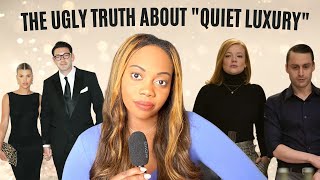
Search Notes: Hermès' artistic director of women's ready-to-wear Nadège Vanhée sits down for The Job Interview with WSJ. Mike Muse, Monday Morning quarterback for "GMA3," drops by to talk about “
Podcast Ep 8 What Is Quiet Luxury - Navigation Guide for Readers
This context guide compares Podcast Ep 8 What Is Quiet Luxury through key notes, similar searches, practical details, and next-step resources with enough variation for broader AGC-style topic coverage.
In addition, this page also connects Podcast Ep 8 What Is Quiet Luxury with for broader topic coverage.
Navigation Guide for Readers
Hermès' artistic director of women's ready-to-wear Nadège Vanhée sits down for The Job Interview with WSJ. Mike Muse, Monday Morning quarterback for "GMA3," drops by to talk about “
Fashion Fact Check Points
The key details usually include definitions, examples, comparisons, requirements, limitations, and updated references.
Style Quick Tips
Use the related entries as follow-up paths when you need more examples, current details, or alternative wording.
Outfit Reader Context
This part keeps Podcast Ep 8 What Is Quiet Luxury connected to practical references instead of leaving it as a single isolated phrase.
Quick reference points
- Mike Muse, Monday Morning quarterback for "GMA3," drops by to talk about “
- Hermès' artistic director of women's ready-to-wear Nadège Vanhée sits down for The Job Interview with WSJ.
What this page helps clarify
A structured page helps by giving readers comparison ideas for Podcast Ep 8 What Is Quiet Luxury while keeping the topic easy to scan.
Useful FAQ
What is the quickest way to understand Podcast Ep 8 What Is Quiet Luxury?
Start with the main context, then compare related entries and check stronger sources when exact details matter.
When should Podcast Ep 8 What Is Quiet Luxury be verified from official sources?
Official or primary sources are best when the information can affect decisions, costs, eligibility, safety, or deadlines.
Why do search results for Podcast Ep 8 What Is Quiet Luxury vary?
Start with the main context, then compare related entries and check stronger sources when exact details matter.
![[PODCAST] EP 8: What is Quiet Luxury?](https://i.ytimg.com/vi/MFqrOGZKm7o/mqdefault.jpg)