Reader Context: This simple reference groups Module 27 How Do We Know A Disability Exists with follow-up ideas, topic signals, and clear context while keeping the information easy to browse.

Module 27 How Do We Know A Disability Exists - Trend Main Notes

This simple reference groups Module 27 How Do We Know A Disability Exists with follow-up ideas, topic signals, and clear context while keeping the information easy to browse.

In addition, this page also connects Module 27 How Do We Know A Disability Exists with for broader topic coverage.

Trend Main Notes

A clean overview helps readers understand Module 27 How Do We Know A Disability Exists before moving into details, examples, or connected topics.

Reader Checklist

For changing topics, check updated sources and avoid depending on one short snippet alone.

Reference Context

Context matters because Module 27 How Do We Know A Disability Exists can connect to nearby topics, related searches, and different reader intents.

Core Details

Important details can vary by source, so this page groups the most readable points into a scannable format.

What this page helps clarify

Readers use this page when they need follow-up questions for Module 27 How Do We Know A Disability Exists when the topic has many possible meanings.

Sponsored

Helpful Questions

How can readers narrow down Module 27 How Do We Know A Disability Exists?

Readers can narrow it by adding location, year, product name, provider, price range, purpose, or the exact problem they want to solve.

How does Module 27 How Do We Know A Disability Exists connect to clothing?

Module 27 How Do We Know A Disability Exists can connect to clothing when readers need context, examples, comparisons, or practical next steps inside the same topic area.

What is the quickest way to understand Module 27 How Do We Know A Disability Exists?

Start with the main context, then compare related entries and check stronger sources when exact details matter.


Image Reference Set

Module 27: How do we know a disability exists?
Module 26: Shift in Clinical Practice
Module 22: Holograms Part 1
Module 38: Conclusion
Intellectual Disability
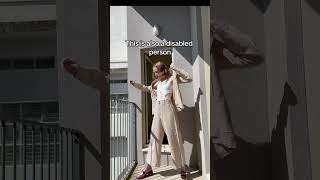
Not all disabilities are visible 🥹 #disabled #disability #chronicpain #chronicillness
Module 21: Critical Questions 7-9
What is Disability
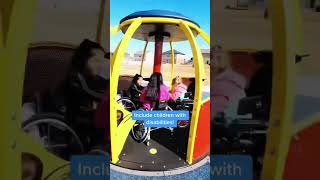
Did you know PLAYGROUNDS can do this?!! #shorts #inclusion #disability #playing
Module 14: Appropriate Assessment Procedures- Part 3
Sponsored
See What Matters
Module 27: How do we know a disability exists?

Module 27: How do we know a disability exists?

Read more details and related context about Module 27: How do we know a disability exists?.

Module 26: Shift in Clinical Practice

Module 26: Shift in Clinical Practice

Read more details and related context about Module 26: Shift in Clinical Practice.

Module 22: Holograms Part 1

Module 22: Holograms Part 1

Read more details and related context about Module 22: Holograms Part 1.

Module 38: Conclusion

Module 38: Conclusion

Read more details and related context about Module 38: Conclusion.

Intellectual Disability

Intellectual Disability

Read more details and related context about Intellectual Disability.

Not all disabilities are visible 🥹 #disabled #disability #chronicpain #chronicillness

Not all disabilities are visible 🥹 #disabled #disability #chronicpain #chronicillness

Subscribe to vōx - she is a musician and visual artist. She is autistic and

Module 21: Critical Questions 7-9

Module 21: Critical Questions 7-9

Read more details and related context about Module 21: Critical Questions 7-9.

What is Disability

What is Disability

Read more details and related context about What is Disability.

Did you know PLAYGROUNDS can do this?!! #shorts #inclusion #disability #playing

Did you know PLAYGROUNDS can do this?!! #shorts #inclusion #disability #playing

Join the Discover with Dallas Family! Become a Member to get access to perks If

Module 14: Appropriate Assessment Procedures- Part 3

Module 14: Appropriate Assessment Procedures- Part 3

Read more details and related context about Module 14: Appropriate Assessment Procedures- Part 3.