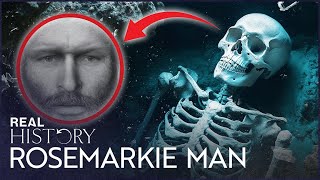
Topic Brief: A skeleton, dubbed "Rosemarkie Man," was discovered in 2016 in a remote sea cave in Scotland.
Forensics Identify 500 Year Old Documents - Next Steps
This lightweight reference arranges Forensics Identify 500 Year Old Documents through key notes, similar searches, practical details, and next-step resources to support more niches without sounding like one fixed template.
In addition, this page also connects Forensics Identify 500 Year Old Documents with for broader topic coverage.
Next Steps
Before relying on any single result, compare related pages and verify important facts from stronger sources.
Research Notes
A clean overview helps readers understand Forensics Identify 500 Year Old Documents before moving into details, examples, or connected topics.
Helpful Points
This section highlights the practical pieces readers may want before opening a more specific related page.
Shoes Decision Context
Context matters because Forensics Identify 500 Year Old Documents can connect to nearby topics, related searches, and different reader intents.
Main details to review
- A skeleton, dubbed "Rosemarkie Man," was discovered in 2016 in a remote sea cave in Scotland.
How this reference can help
This format works because it offers practical reminders for Forensics Identify 500 Year Old Documents before choosing what to open next.
Reader Questions
What makes Forensics Identify 500 Year Old Documents easier to understand?
Clear headings, short explanations, practical notes, and related entries make Forensics Identify 500 Year Old Documents easier to scan and compare.
Why can Forensics Identify 500 Year Old Documents have different answers?
Different sources may focus on different regions, dates, providers, versions, policies, or user situations.
How does Forensics Identify 500 Year Old Documents connect to outfit?
Forensics Identify 500 Year Old Documents can connect to outfit when readers need context, examples, comparisons, or practical next steps inside the same topic area.