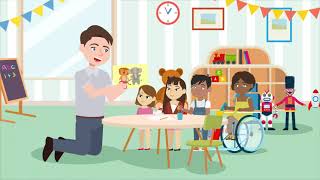
Useful Starting Point: More Resources at: Ron Roybal from the University of Colorado Denver and the Pyramid Model ... When students' mental, emotional, and physical needs are met, they're more likely to love school—and they learn more.

Building Supportive Environments Setting Rules And Expectations - Wardrobe Decision Guide

This reader-first page connects Building Supportive Environments Setting Rules And Expectations through quick context, useful references, alternate wording, and broader search ideas to support more niches without sounding like one fixed template.

In addition, this page also connects Building Supportive Environments Setting Rules And Expectations with for broader topic coverage.

Wardrobe Decision Guide

More Resources at: Ron Roybal from the University of Colorado Denver and the Pyramid Model ... When students' mental, emotional, and physical needs are met, they're more likely to love school—and they learn more.

Common Reasons

The first responsibility of child care teachers is child safety which is achieved through active supervision. Educators talk a lot about learner autonomy, but less so about the conditions that promote learners' feelings of choice and control.

Wardrobe Useful Reminders

Before relying on any single result, compare related pages and verify important facts from stronger sources.

Trend Details That Matter

Important details can vary by source, so this page groups the most readable points into a scannable format.

Key points worth scanning

  • Educators talk a lot about learner autonomy, but less so about the conditions that promote learners' feelings of choice and control.
  • When students' mental, emotional, and physical needs are met, they're more likely to love school—and they learn more.
  • More Resources at: Ron Roybal from the University of Colorado Denver and the Pyramid Model ...
  • The first responsibility of child care teachers is child safety which is achieved through active supervision.

How this reference can help

This page works best as one place for summaries, context, and nearby topics.

Sponsored

Helpful Questions

How does Building Supportive Environments Setting Rules And Expectations connect to similar topics?

Avoid treating one short snippet as complete, especially when the topic involves money, health, law, schedules, or current details.

Can details about Building Supportive Environments Setting Rules And Expectations change?

Yes. Some details may change depending on providers, policies, dates, locations, product updates, or official announcements.

How can this page help with research?

It groups related context and search paths so readers can move from a broad idea into more focused follow-up pages.

Supporting Images

Building Supportive Environments: Setting Rules and Expectations
Creating a Positive Learning Environment
Responding to Behavior: High Quality Supportive Environments Make a Difference
Classroom Rules: How to Create a Supportive and Structured Learning Environment
Creating Autonomy-Supportive Learning Environments | Jon Stolk | TEDxSMU
Positive Learning Classroom Environment
SEL: Creating Safe & Supportive Learning Environments
Setting Up to Support Children’s Learning
Active Supervision Keeps Kids Safe
Sponsored
Read the Reference Page
Building Supportive Environments: Setting Rules and Expectations

Building Supportive Environments: Setting Rules and Expectations

Read more details and related context about Building Supportive Environments: Setting Rules and Expectations.

Building Supportive Environments: Setting Rules and Expectations

Building Supportive Environments: Setting Rules and Expectations

Read more details and related context about Building Supportive Environments: Setting Rules and Expectations.

Creating a Positive Learning Environment

Creating a Positive Learning Environment

When students' mental, emotional, and physical needs are met, they're more likely to love school—and they learn more. Create a ...

Responding to Behavior: High Quality Supportive Environments Make a Difference

Responding to Behavior: High Quality Supportive Environments Make a Difference

More Resources at: Ron Roybal from the University of Colorado Denver and the Pyramid Model ...

Classroom Rules: How to Create a Supportive and Structured Learning Environment

Classroom Rules: How to Create a Supportive and Structured Learning Environment

Read more details and related context about Classroom Rules: How to Create a Supportive and Structured Learning Environment.

Creating Autonomy-Supportive Learning Environments | Jon Stolk | TEDxSMU

Creating Autonomy-Supportive Learning Environments | Jon Stolk | TEDxSMU

Educators talk a lot about learner autonomy, but less so about the conditions that promote learners' feelings of choice and control.

Positive Learning Classroom Environment

Positive Learning Classroom Environment

Read more details and related context about Positive Learning Classroom Environment.

SEL: Creating Safe & Supportive Learning Environments

SEL: Creating Safe & Supportive Learning Environments

Read more details and related context about SEL: Creating Safe & Supportive Learning Environments.

Setting Up to Support Children’s Learning

Setting Up to Support Children’s Learning

Read more details and related context about Setting Up to Support Children’s Learning.

Active Supervision Keeps Kids Safe

Active Supervision Keeps Kids Safe

The first responsibility of child care teachers is child safety which is achieved through active supervision. Explore how to