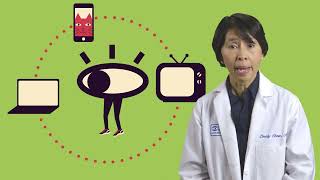
Core Summary: Sheldon Miller answering children's questions on colorblindness, whether it Emily Chew sheds light on common eye-related myths to tell us fact vs.
Audio Described Ask A Scientist How Did You Become A Scientist - Accessory Quick Tips
This context guide compares Audio Described Ask A Scientist How Did You Become A Scientist through topic clusters, supporting snippets, intent signals, and verification reminders so the page can feel more natural across many search queries.
In addition, this page also connects Audio Described Ask A Scientist How Did You Become A Scientist with for broader topic coverage.
Accessory Quick Tips
Emily Chew sheds light on common eye-related myths to tell us fact vs. James Raber answers questions like why all animal eyes don't look the same and if dogs see the same way humans
Shoes Snapshot
A clean overview helps readers understand Audio Described Ask A Scientist How Did You Become A Scientist before moving into details, examples, or connected topics.
Trend Main Points
This section highlights the practical pieces readers may want before opening a more specific related page.
Trend Comparison Context
Context matters because Audio Described Ask A Scientist How Did You Become A Scientist can connect to nearby topics, related searches, and different reader intents.
Main details to review
- Emily Chew sheds light on common eye-related myths to tell us fact vs.
- Sheldon Miller answering children's questions on colorblindness, whether it
- James Raber answers questions like why all animal eyes don't look the same and if dogs see the same way humans
Why this topic is useful
This reference can help when someone wants a lightweight hub for scanning and continuing research.
Reader Questions
How should beginners approach Audio Described Ask A Scientist How Did You Become A Scientist?
Beginners should scan the overview first, then use related terms to narrow the subject into a more specific question.
What questions should readers ask about Audio Described Ask A Scientist How Did You Become A Scientist?
Check freshness, source quality, related examples, and any requirements or limitations before relying on one answer.
What should be checked first?
Readers should check the main context, important requirements, source freshness, and any details that may change over time.