Simple Overview: Goto in the Venetian dialect represents the glass that was used to drink in the furnaces. Stunning artwork depicting a hawk resting on a transparent glass rock.
Arte Di Murano Corporate Video - Fresh Overview
This topic hub arranges Arte Di Murano Corporate Video with important notes, comparison points, and freshness checks so the page feels less repetitive.
In addition, this page also connects Arte Di Murano Corporate Video with for broader topic coverage.
Fresh Overview
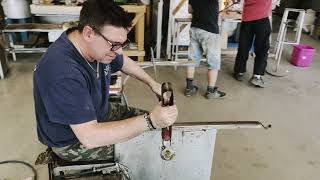
Working - Implementation - Production of chandeliers, lamps, objects and mirrors in Murano glass. Goto in the Venetian dialect represents the glass that was used to drink in the furnaces.
Checkpoints
The key details usually include definitions, examples, comparisons, requirements, limitations, and updated references.
Shoes Verification Tips
Use the related entries as follow-up paths when you need more examples, current details, or alternative wording.
Fashion Reader Context
This part keeps Arte Di Murano Corporate Video connected to practical references instead of leaving it as a single isolated phrase.
Quick reference points
- Stunning artwork depicting a hawk resting on a transparent glass rock.
- Working - Implementation - Production of chandeliers, lamps, objects and mirrors in Murano glass.
- Goto in the Venetian dialect represents the glass that was used to drink in the furnaces.
How this reference can help
Readers often search for Arte Di Murano Corporate Video because they want clear context before opening more detailed pages.
Useful FAQ
How does Arte Di Murano Corporate Video connect to shoes?
Arte Di Murano Corporate Video can connect to shoes when readers need context, examples, comparisons, or practical next steps inside the same topic area.
How can readers check Arte Di Murano Corporate Video more carefully?
Check freshness, source quality, related examples, and any requirements or limitations before relying on one answer.
How should beginners approach Arte Di Murano Corporate Video?
Beginners should scan the overview first, then use related terms to narrow the subject into a more specific question.



![Murano Glass Blowing: Making a Glass Turtle from Molten Glass [Making Of] #muranoglass #asmr](https://i.ytimg.com/vi/dhbce2vexcE/mqdefault.jpg)

![The Birth of a Roman Chariot in Murano Glass [Making Of Sculture] #muranoglass #glassart](https://i.ytimg.com/vi/QfFZiM5fptc/mqdefault.jpg)

