Topic Compass: Before we dive into the big questions of philosophy, you need to know how to argue properly. This is the first video of the Introduction to Logic series in which Professor Thorsby covers

1 1 Basic Concepts Arguments Premises Conclusions - Accessory Summary

This structured hub highlights 1 1 Basic Concepts Arguments Premises Conclusions through quick context, useful references, alternate wording, and broader search ideas so the page can feel more natural across many search queries.

In addition, this page also connects 1 1 Basic Concepts Arguments Premises Conclusions with for broader topic coverage.

Accessory Summary

This is the first video of the Introduction to Logic series in which Professor Thorsby covers Before we dive into the big questions of philosophy, you need to know how to argue properly.

Wardrobe Useful Details

The key details usually include definitions, examples, comparisons, requirements, limitations, and updated references.

Research Tips

Use the related entries as follow-up paths when you need more examples, current details, or alternative wording.

Fashion Practical Background

This part keeps 1 1 Basic Concepts Arguments Premises Conclusions connected to practical references instead of leaving it as a single isolated phrase.

Quick reference points

  • Before we dive into the big questions of philosophy, you need to know how to argue properly.
  • This is the first video of the Introduction to Logic series in which Professor Thorsby covers

How this reference can help

Readers often search for 1 1 Basic Concepts Arguments Premises Conclusions because they want clear context before opening more detailed pages.

Sponsored

Useful FAQ

How can this page help with research?

It groups related context and search paths so readers can move from a broad idea into more focused follow-up pages.

What related areas connect to 1 1 Basic Concepts Arguments Premises Conclusions?

Related areas may include comparisons, examples, requirements, common mistakes, updated references, and practical follow-up guides.

How does 1 1 Basic Concepts Arguments Premises Conclusions connect to accessory?

1 1 Basic Concepts Arguments Premises Conclusions can connect to accessory when readers need context, examples, comparisons, or practical next steps inside the same topic area.

Visual Context Gallery

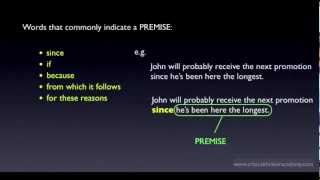
1.1  Basic Concepts:  Arguments, Premises, & Conclusions
Lesson 1.1 A: Arguments, Premises, and Conclusions
Episode 1.4: Premises and Conclusions
Identifying Premises and Conclusions
1.1 Arguments, Premises and Conclusions
1.1 Logic & Philosophy - Basic Concepts: Arguments, Premises, Conclusions
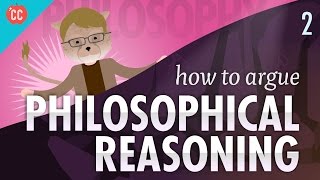
How to Argue - Philosophical Reasoning: Crash Course Philosophy #2
(202) 7. Recognizing arguments: premises and conclusions
Hurley's Introduction to Logic, 13th ed. - 1.1 Arguments, Premises, and Conclusions
PHIL 110: Unit 2.1 -- Basics of Argumentation
Sponsored
View Topic Notes
1.1  Basic Concepts:  Arguments, Premises, & Conclusions

1.1 Basic Concepts: Arguments, Premises, & Conclusions

This is the first video of the Introduction to Logic series in which Professor Thorsby covers

Lesson 1.1 A: Arguments, Premises, and Conclusions

Lesson 1.1 A: Arguments, Premises, and Conclusions

The first lesson for Critical Thinking class, on the definition of an

Episode 1.4: Premises and Conclusions

Episode 1.4: Premises and Conclusions

Read more details and related context about Episode 1.4: Premises and Conclusions.

Identifying Premises and Conclusions

Identifying Premises and Conclusions

Read more details and related context about Identifying Premises and Conclusions.

1.1 Arguments, Premises and Conclusions

1.1 Arguments, Premises and Conclusions

Read more details and related context about 1.1 Arguments, Premises and Conclusions.

1.1 Logic & Philosophy - Basic Concepts: Arguments, Premises, Conclusions

1.1 Logic & Philosophy - Basic Concepts: Arguments, Premises, Conclusions

In which Monty Python makes a short appearance... Exercises:

How to Argue - Philosophical Reasoning: Crash Course Philosophy #2

How to Argue - Philosophical Reasoning: Crash Course Philosophy #2

Before we dive into the big questions of philosophy, you need to know how to argue properly. We'll start with an overview of ...

(202) 7. Recognizing arguments: premises and conclusions

(202) 7. Recognizing arguments: premises and conclusions

Read more details and related context about (202) 7. Recognizing arguments: premises and conclusions.

Hurley's Introduction to Logic, 13th ed. - 1.1 Arguments, Premises, and Conclusions

Hurley's Introduction to Logic, 13th ed. - 1.1 Arguments, Premises, and Conclusions

Read more details and related context about Hurley's Introduction to Logic, 13th ed. - 1.1 Arguments, Premises, and Conclusions.

PHIL 110: Unit 2.1 -- Basics of Argumentation

PHIL 110: Unit 2.1 -- Basics of Argumentation

Read more details and related context about PHIL 110: Unit 2.1 -- Basics of Argumentation.