Discovery Brief: This video introduces the chemical risk management system known as RAMP, which stands for Recognize hazards, Assess risks, ... This video defines “hazard” and “risk,” and explains methods for assessing risks from hazards.
Lab Safety - Topic Map for Readers
This topic page brings together Lab Safety through meaning, examples, related intent, useful checks, and follow-up paths so the page can feel more natural across many search queries.
In addition, this page also connects Lab Safety with for broader topic coverage.
Topic Map for Readers
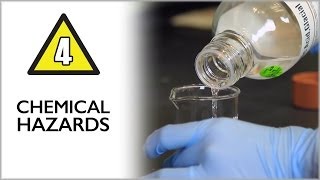
This video defines “hazard” and “risk,” and explains methods for assessing risks from hazards. In this lesson, we'll learn about the 2 most important tools to identify chemical hazards:
Comparison Points
This video introduces the chemical risk management system known as RAMP, which stands for Recognize hazards, Assess risks, ...
Shoes Follow-Up Tips
Use the related entries as follow-up paths when you need more examples, current details, or alternative wording.
Trend Practical Context
This part keeps Lab Safety connected to practical references instead of leaving it as a single isolated phrase.
Quick reference points
- This video defines “hazard” and “risk,” and explains methods for assessing risks from hazards.
- In this lesson, we'll learn about the 2 most important tools to identify chemical hazards:
- This video introduces the chemical risk management system known as RAMP, which stands for Recognize hazards, Assess risks, ...
How readers can use this page
This page is useful when someone wants practical reminders for Lab Safety so they can continue with better search intent.
Useful FAQ
Why do search results for Lab Safety vary?
Start with the main context, then compare related entries and check stronger sources when exact details matter.
What does Lab Safety usually mean?
Lab Safety usually refers to a topic that needs context, related examples, and supporting references before readers make decisions or continue searching.
Why are related topics included?
Related topics help readers compare nearby references, explore similar searches, and avoid relying on one narrow result.

![Orientation to Laboratory Safety - [Lab Worker Safety Training]](https://i.ytimg.com/vi/acRXhnCi3dc/mqdefault.jpg)