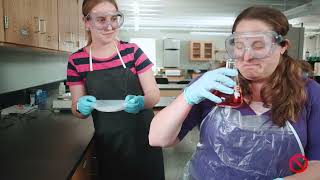
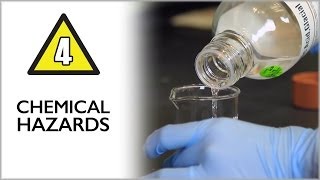
Topic Recap: In this lesson, we'll learn about the 2 most important tools to identify chemical hazards: This video defines “hazard” and “risk,” and explains methods for assessing risks from hazards.
Lab Safety Part 3 - Trend Detailed Breakdown
This guide collects Lab Safety Part 3 with helpful explanations, comparison points, and reader-focused details without jumping between unrelated pages.
In addition, this page also connects Lab Safety Part 3 with for broader topic coverage.
Trend Detailed Breakdown
In this lesson, we'll learn about the 2 most important tools to identify chemical hazards: This video defines “hazard” and “risk,” and explains methods for assessing risks from hazards.
Topic Map for Readers
A clean overview helps readers understand Lab Safety Part 3 before moving into details, examples, or connected topics.
Style Reader Context
This part keeps Lab Safety Part 3 connected to practical references instead of leaving it as a single isolated phrase.
Clothing Review Notes
Before relying on any single result, compare related pages and verify important facts from stronger sources.
Important details found
- In this lesson, we'll learn about the 2 most important tools to identify chemical hazards:
- This video defines “hazard” and “risk,” and explains methods for assessing risks from hazards.
How this reference can help
A structured page helps readers move from a simple way to compare connected search results.
Common Questions
How does Lab Safety Part 3 connect to clothing?
Lab Safety Part 3 can connect to clothing when readers need context, examples, comparisons, or practical next steps inside the same topic area.
What is the quickest way to understand Lab Safety Part 3?
Start with the main context, then compare related entries and check stronger sources when exact details matter.
When should Lab Safety Part 3 be verified from official sources?
Official or primary sources are best when the information can affect decisions, costs, eligibility, safety, or deadlines.
Why do search results for Lab Safety Part 3 vary?
Start with the main context, then compare related entries and check stronger sources when exact details matter.