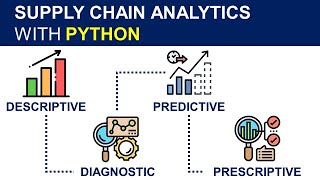
Fast Notes: APICS West Jersey presents Ben Lowe, Associate Director at Verizon Wireless who explains
How Do Companies Use Supply Chain Analytics - Fashion Specific Details
Use this page to review How Do Companies Use Supply Chain Analytics with helpful explanations, comparison points, and reader-focused details for readers who want a clearer starting point.
In addition, this page also connects How Do Companies Use Supply Chain Analytics with for broader topic coverage.
Fashion Specific Details
This section highlights the practical pieces readers may want before opening a more specific related page.
Accessory Questions to Ask
Before relying on any single result, compare related pages and verify important facts from stronger sources.
Topic Compass
A clean overview helps readers understand How Do Companies Use Supply Chain Analytics before moving into details, examples, or connected topics.
Style Where It Fits
This part keeps How Do Companies Use Supply Chain Analytics connected to practical references instead of leaving it as a single isolated phrase.
Useful notes from the results
- APICS West Jersey presents Ben Lowe, Associate Director at Verizon Wireless who explains
What this page helps clarify
The format helps reduce scattered browsing by giving a simple way to compare connected search results.
Quick FAQ
Is this page a final source?
No. It is best used as a quick reference and discovery page before checking stronger or official sources.
What is the safest way to use How Do Companies Use Supply Chain Analytics information?
Use it as general context first, then verify important points with official, primary, or more specific sources when accuracy matters.
How does How Do Companies Use Supply Chain Analytics connect to style?
How Do Companies Use Supply Chain Analytics can connect to style when readers need context, examples, comparisons, or practical next steps inside the same topic area.
How does How Do Companies Use Supply Chain Analytics connect to shoes?
How Do Companies Use Supply Chain Analytics can connect to shoes when readers need context, examples, comparisons, or practical next steps inside the same topic area.